Few headlines get shared faster than “chocolate is good for you.” It sounds almost too good to be true, and in a way, it partly is. The real story is more nuanced – and more interesting.
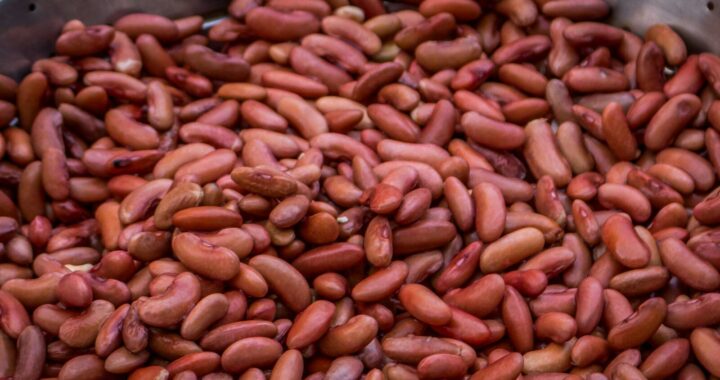
Cocoa beans are naturally packed with polyphenols called flavanols. These compounds have been studied for their effects on blood vessels, blood pressure and even brain blood flow. But a typical candy bar and a raw cocoa bean are very different foods.
Here is what you need to know before you reach for that next square.
Key Takeaways
- Cocoa flavanols, not sugar or milk, are responsible for most of the potential benefits.
- Higher cocoa percentages generally mean more flavanols and less sugar.
- Alkalized or “Dutch processed” cocoa can lose a large share of its flavanols.
- A small daily portion fits a healthy diet better than large occasional servings.
Where the Antioxidants in Chocolate Come From
The flavanols in cocoa, mainly epicatechin and catechin, are the same family of compounds found in green tea and apples. Raw cocoa beans are bitter and astringent precisely because they are rich in these polyphenols.
Researchers have found that cocoa flavanols can support the production of nitric oxide, a molecule that helps blood vessels relax. This is one proposed reason why some studies link cocoa intake to modest improvements in blood pressure and vascular function.
Why Processing Matters So Much
Between the farm and the wrapper, cocoa goes through fermentation, drying, roasting and sometimes alkalization. Each step can reduce flavanol levels.
Alkalization, often labeled “Dutch processed” or “processed with alkali,” makes cocoa darker and milder but can remove a large portion of the flavanols. Natural cocoa powder generally keeps more of them.
- Choose bars with at least 70 percent cocoa
- Look for natural, non-alkalized cocoa powder for baking and drinks
- Check that cocoa or cocoa mass is the first ingredient, not sugar
Dark vs Milk vs White Chocolate
Milk chocolate contains far less cocoa and more sugar and milk solids. There is also some evidence that milk proteins may interfere with how well flavanols are absorbed, although findings are mixed. White chocolate contains cocoa butter but no cocoa solids, so it offers essentially no cocoa flavanols at all.
How Much Is Reasonable
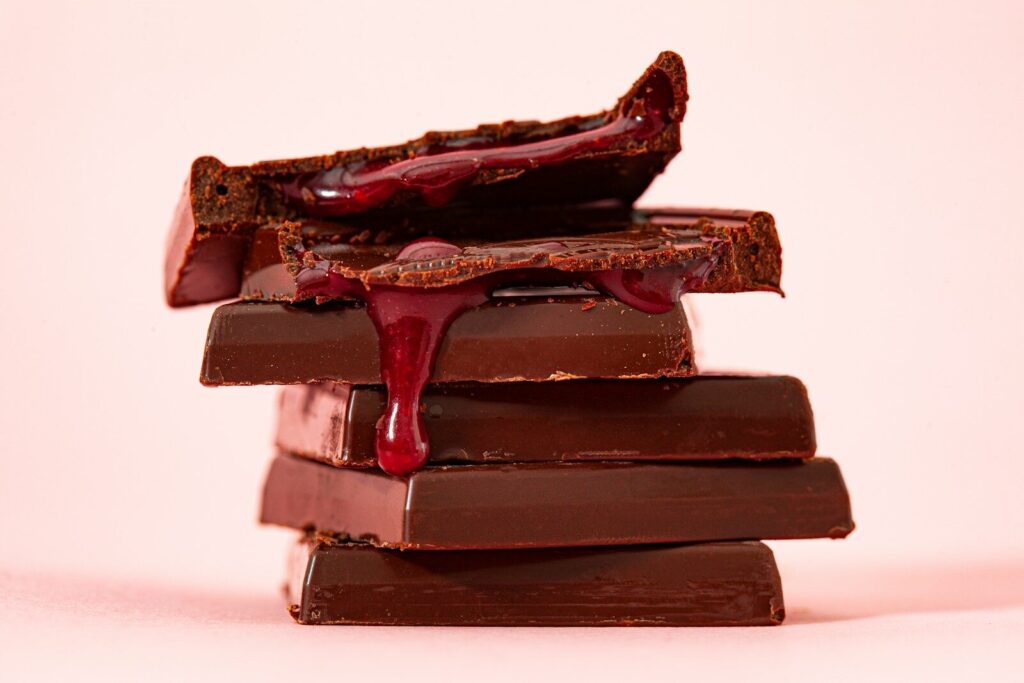
Even the best dark chocolate is energy dense. A practical portion is about 20 to 30 grams – roughly two to three squares. Enjoy it slowly after a meal so it feels like a treat rather than a mindless snack.
If you want the flavanols without the sugar, try a spoon of natural cocoa powder in coffee, oatmeal or a smoothie.
A Note on Heavy Metals
Independent testing has found that some dark chocolate products contain measurable amounts of lead and cadmium, which come from soil and processing. This does not mean you must avoid chocolate, but it is another good reason to keep portions moderate and vary brands. Pregnant people and children should be especially mindful.
The Smart Way to Enjoy Chocolate
Think of dark chocolate as a pleasurable part of an antioxidant-rich diet, not as a medicine. Pair a couple of squares with berries or nuts, savor the bitterness and let it replace less nourishing desserts.
That way you get the flavor, the flavanols and the satisfaction – without the sugar crash.
Frequently Asked Questions
Is dark chocolate a good source of antioxidants?
Yes. Dark chocolate with a high cocoa percentage contains significant amounts of flavanols, a type of polyphenol antioxidant. The higher the cocoa content and the gentler the processing, the more flavanols it usually keeps.
What percentage of dark chocolate is healthiest?
Most experts suggest choosing chocolate with 70 percent cocoa or more. It contains more cocoa solids and less sugar than milk chocolate or lower-percentage bars.
Does Dutch processed cocoa have antioxidants?
It still has some, but alkalization can remove a large share of cocoa flavanols. Natural cocoa powder is usually the better choice if antioxidants are your goal.
How much dark chocolate can I eat per day?
Around 20 to 30 grams a day, roughly two or three squares, is a sensible amount for most adults within a balanced diet.
This article is for general educational purposes and does not replace personal advice from a doctor or registered dietitian. Talk to a healthcare professional before making major changes to your diet or starting supplements, especially if you are pregnant, take medication or manage a health condition.