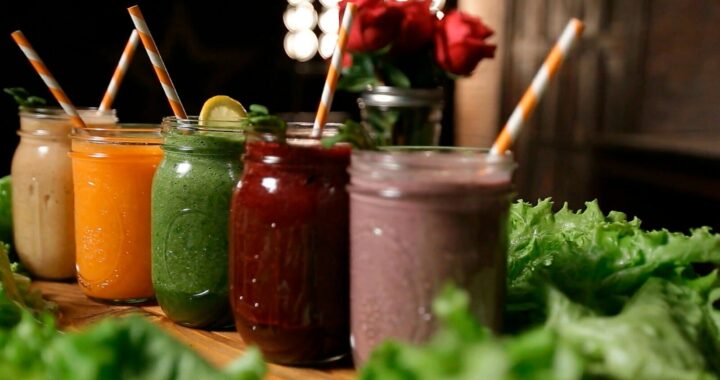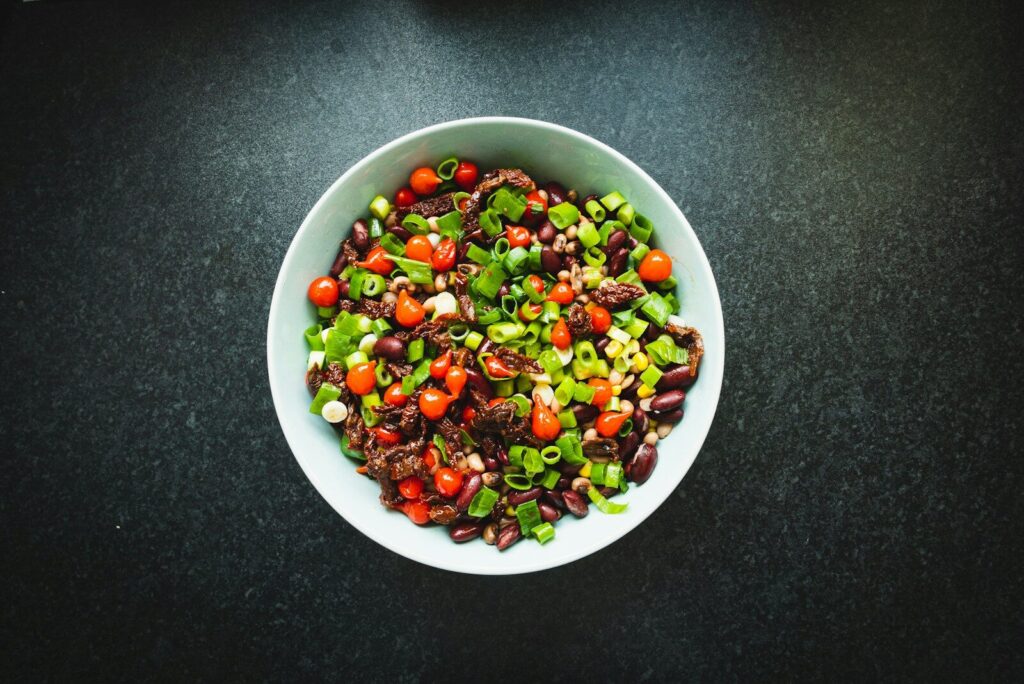
Eat the rainbow is one of the oldest pieces of nutrition advice – and one of the best. Each plant color signals different families of compounds, from red lycopene to orange beta-carotene, green lutein and purple anthocyanins.
The trick is turning that idea into a meal you actually want to eat. This simple formula makes a salad that is colorful, filling and endlessly adaptable.
Key Takeaways
- Different colors in produce reflect different antioxidant families.
- A satisfying salad needs protein, healthy fat and something crunchy, not just leaves.
- Olive oil based dressings help absorb fat-soluble carotenoids.
- Prepping components ahead makes rainbow salads possible on busy weekdays.
What Each Color Brings
- Red – tomatoes, red peppers and watermelon provide lycopene; red cabbage brings anthocyanins
- Orange and yellow – carrots, sweet potatoes and peppers supply beta-carotene
- Green – spinach, kale, broccoli and herbs bring lutein, folate and vitamin K
- Blue and purple – red cabbage, beets, purple carrots and blueberries offer anthocyanins and betalains
- White and tan – onions, garlic and cauliflower provide sulfur compounds and quercetin
The 6 Part Rainbow Salad Formula
- Base – two big handfuls of leafy greens such as spinach, rocket or mixed leaves
- Colors – three or more vegetables or fruits in different colors
- Protein – beans, chickpeas, lentils, eggs, tofu, salmon or chicken
- Smart carbs – quinoa, farro, roasted sweet potato or whole grain croutons
- Crunch – nuts, seeds or toasted chickpeas
- Dressing – olive oil based with acid and herbs
A Sample Rainbow Bowl
Ingredients for Two – 4 handfuls baby spinach – 1 cup shredded red cabbage – 1 grated carrot – 1 yellow pepper, sliced – 1 cup cherry tomatoes, halved – 1 can chickpeas, rinsed – 1 cup cooked quinoa – 2 tablespoons pumpkin seeds – A handful of pomegranate seeds
Lemon Herb Dressing Whisk 3 tablespoons extra virgin olive oil, 1 tablespoon lemon juice, 1 teaspoon mustard, a small garlic clove, chopped parsley, salt and black pepper.
Seasonal Swaps
Spring Asparagus, radishes, peas and strawberries.
Summer Tomatoes, cucumber, corn, peaches and basil.
Autumn Roasted squash, beets, apples and walnuts.
Winter Citrus segments, roasted carrots, kale and pomegranate.
Meal Prep Tips
- Wash and dry greens, then store them in a container lined with a paper towel
- Roast a tray of colorful vegetables on Sunday
- Cook a batch of grains and keep it in the fridge for up to four days
- Store dressing separately in a jar
- Pack heavier ingredients at the bottom of lunch jars and greens on top
Why This Formula Works
It combines antioxidants with fiber, protein and healthy fat, so the salad is both nutritious and satisfying. Many carotenoids are fat-soluble, so the olive oil dressing is not optional – it helps your body absorb them. And because the formula is flexible, you will not get bored.
Frequently Asked Questions
Why should I eat a rainbow of vegetables?
Different colors indicate different plant compounds. Eating a range of colors provides a wider variety of antioxidants, vitamins and minerals than eating the same few foods.
How can I make a salad more filling?
Add a protein source like beans, eggs or fish, a whole grain or starchy vegetable, healthy fats like nuts or avocado and a satisfying dressing.
Do salad dressings help absorb nutrients?
Yes. Dressings made with oil help your body absorb fat-soluble nutrients such as beta-carotene, lycopene, lutein and vitamins A, E and K.
This article is for general educational purposes and does not replace personal advice from a doctor or registered dietitian. Talk to a healthcare professional before making major changes to your diet or starting supplements, especially if you are pregnant, take medication or manage a health condition.