Walk down any wellness aisle and you will find antioxidant powders, shots and capsules with price tags that could pay for a week of groceries. Yet when you open the fridge of a dietitian, you rarely see any of that. What you see instead is surprisingly ordinary – and surprisingly powerful.
Antioxidants are compounds that help neutralize unstable molecules called free radicals. Your body makes some of its own, but a big part of your defense comes from food, especially from colorful plants packed with polyphenols, carotenoids, vitamin C and vitamin E. The good news is that the best sources are cheap, easy to find and delicious.
Here are nine antioxidant superfoods that nutrition professionals consistently keep on hand – and the simple habits that make them part of everyday meals.
Key Takeaways
- The most antioxidant-rich foods are everyday plants, not expensive supplements.
- Variety matters more than any single superfood – different colors bring different compounds.
- Frozen berries, canned beans and dried spices are budget-friendly and just as useful.
- Pairing foods smartly, like fat with carotenoids, can improve absorption.
1. Berries of Every Kind
Blueberries, blackberries, raspberries and strawberries are rich in anthocyanins, the pigments that give them their deep red, blue and purple shades. Studies have linked regular berry intake with better markers of heart and brain health.
Nutritionists love frozen berries in particular. They are picked ripe and frozen quickly, so they keep most of their nutrients, cost less than fresh ones out of season and never go moldy in the back of the fridge.
- Stir a handful into oatmeal or yogurt
- Blend them into a smoothie with spinach
- Warm them into a quick compote for toast
2. Leafy Greens
Spinach, kale, Swiss chard and arugula deliver lutein, zeaxanthin, beta-carotene and vitamin C. Lutein and zeaxanthin are especially interesting because they collect in the eye, where they help filter blue light.
Because many of these compounds are fat-soluble, a drizzle of olive oil or a few slices of avocado alongside your greens is not just tasty – it helps your body absorb them.
3. Beans and Lentils
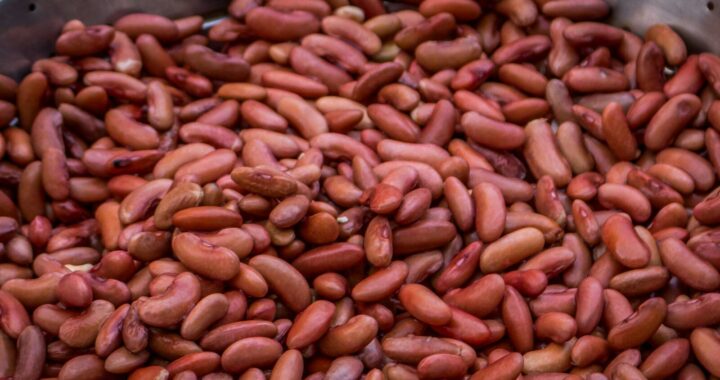
Small red beans, kidney beans, black beans and pinto beans rank among the highest antioxidant foods measured in the classic USDA analysis. They also bring fiber, plant protein, folate and minerals, which is why dietitians call them one of the best value foods on the planet.
Canned beans count. Rinse them to cut sodium and you have a ready-made base for salads, soups and grain bowls.
4. Dark Chocolate and Cocoa
Cocoa is naturally loaded with flavanols. Choose dark chocolate with at least 70 percent cocoa solids, or use unsweetened cocoa powder in porridge and smoothies. Keep portions modest – a couple of squares is enough to enjoy the benefits without overdoing sugar and calories.
5. Nuts, Especially Walnuts and Pecans
Walnuts and pecans contain polyphenols and vitamin E, plus healthy fats. Walnuts also supply plant omega-3 fatty acids. A small handful a day fits neatly into most eating patterns and makes salads and breakfasts far more satisfying.
6. Extra Virgin Olive Oil
High quality extra virgin olive oil contains polyphenols such as hydroxytyrosol and oleocanthal, which help explain why it sits at the heart of the Mediterranean diet. Use it as your main kitchen fat, store it away from light and heat, and buy bottles you will finish within a couple of months.
7. Herbs and Spices
Gram for gram, dried spices such as cloves, cinnamon, oregano and turmeric are some of the most concentrated antioxidant sources in the kitchen. You only use a little, but a little adds up when you season generously every day.
A Simple Pro Habit Many dietitians keep a small spice tray next to the stove so they remember to add a pinch of something to almost every dish.
8. Green Tea and Coffee
For many people, coffee and tea are the biggest daily source of polyphenols simply because they drink them so often. Green tea brings catechins such as EGCG, while coffee brings chlorogenic acids. Enjoy them without loading on sugar and syrup, and be mindful of caffeine later in the day.
9. Purple and Red Vegetables
Red cabbage, beets, red onions and purple sweet potatoes offer anthocyanins and betalains. They also make a plate look instantly more appetizing, which is a small but real reason people eat more vegetables when their food is colorful.
How to Put It All Together
You do not need all nine foods every day. A practical approach is to aim for three or four different colors at each main meal and rotate your choices across the week.
- Breakfast – oats with frozen berries, walnuts and a sprinkle of cinnamon
- Lunch – bean salad with spinach, red onion and olive oil
- Snack – two squares of dark chocolate and green tea
- Dinner – roasted beets and purple sweet potatoes with herbs
The real secret nutritionists know is consistency. Small, repeatable habits beat any single miracle ingredient.
Frequently Asked Questions
What is the single best antioxidant superfood?
There is no single winner. Different foods supply different antioxidants, so a varied diet with berries, greens, beans, nuts, spices and tea offers far more than any one food alone.
Are frozen berries as healthy as fresh ones?
Yes. Frozen berries are usually picked ripe and frozen quickly, so they keep most of their vitamins and polyphenols. They are often cheaper and more convenient than fresh berries out of season.
Do antioxidant supplements work as well as food?
Research generally favors whole foods. Foods deliver antioxidants together with fiber and other nutrients, while high-dose supplements have shown mixed results and are not a substitute for a healthy diet.
How many servings of fruit and vegetables should I eat for antioxidants?
Most health authorities recommend at least five portions of fruit and vegetables a day, and many experts encourage more, with a wide range of colors.
This article is for general educational purposes and does not replace personal advice from a doctor or registered dietitian. Talk to a healthcare professional before making major changes to your diet or starting supplements, especially if you are pregnant, take medication or manage a health condition.