Every day, millions of kitchens send potato skins, apple peels, broccoli stalks and carrot tops straight into the bin. It feels normal – that is how many of us were taught to cook.
But in many fruits and vegetables, the outer layer is where the plant concentrates its defensive compounds. Skins are exposed to sun, insects and microbes, so they are often richer in polyphenols and fiber than the flesh underneath.
Learning to keep the right parts is one of the easiest ways to eat more antioxidants without spending an extra cent.
Key Takeaways
- Peels and skins often contain more polyphenols and fiber than the inner flesh.
- Apples, potatoes, carrots, cucumbers and citrus zest are easy places to start.
- Wash produce well, and remove green or damaged potato skin.
- Broccoli stems, beet greens and herb stalks are tasty and nutritious too.
Why the Outer Layer Matters
Plants cannot run away from threats, so they defend themselves chemically. Many of those protective compounds – flavonoids, phenolic acids and pigments – are packed into the skin. In apples, for example, the peel contains a large share of the fruit’s quercetin and other flavonoids.
Removing the peel also removes a good portion of the fiber, which supports digestion and helps you feel full.
Peels Worth Keeping
- Apples and pears – just wash and eat
- Potatoes and sweet potatoes – scrub well and roast skin on
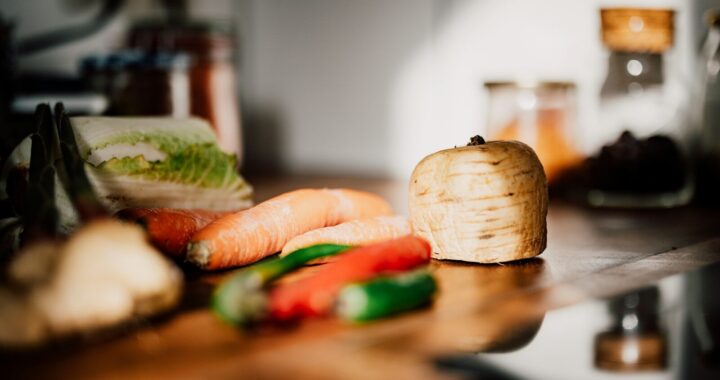
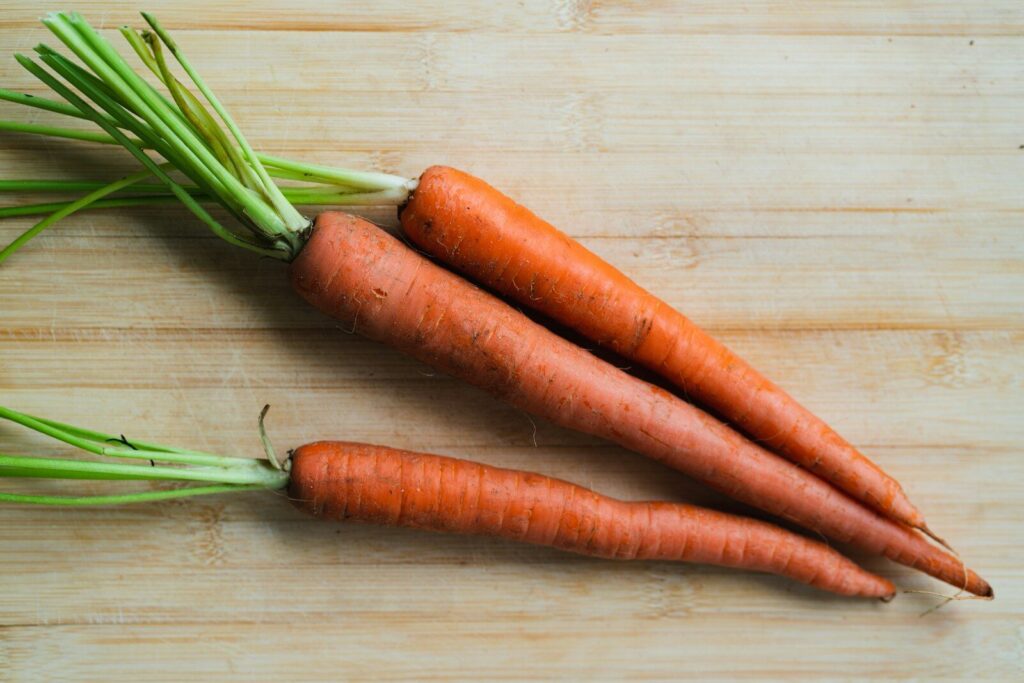
- Carrots and parsnips – a good scrub is often enough instead of peeling
- Cucumbers and zucchini – the dark green skin brings color and nutrients
- Kiwi – the fuzzy skin is edible and rich in fiber, especially on golden varieties
- Citrus zest – grate it into dressings, baking and marinades
Stems, Leaves and Other Overlooked Parts
Broccoli and Cauliflower Stems Peel away the tough outer layer, slice the tender core and stir-fry or roast it with the florets.
Beet and Radish Greens Saute them with garlic and olive oil just like spinach or chard.
Herb Stalks Parsley and coriander stalks are full of flavor. Chop them finely into sauces, soups and salsas.
Onion Skins The dry outer skins are rich in quercetin. You will not eat them directly, but you can add them to homemade stock and strain them out.
Safety First
Eating peels is safe for most produce, but a few rules help.
- Wash all produce under running water and scrub firm skins with a brush
- Cut away any green patches or sprouts on potatoes, which can contain solanine
- Skip peels that are tough, bitter or not traditionally eaten, such as banana or pineapple skin
- If pesticide residues worry you, choose organic for the items you eat skin-on most often
Turning Scraps Into Meals
A zero-waste kitchen can be delicious. Save clean vegetable trimmings in a freezer bag and turn them into broth. Blend herb stems into pesto. Bake potato skins into crispy chips with paprika. Grate apple with its peel into overnight oats.
These small swaps can increase your fiber and polyphenol intake while reducing food waste – good news for both your health and your budget.
Frequently Asked Questions
Are potato skins healthy to eat?
Yes, washed potato skins provide fiber, potassium and polyphenols. Cut away any green areas or sprouts, which may contain solanine.
Is it better to eat apples with the peel?
Generally yes. Apple peel contains a significant share of the fruit’s flavonoids and fiber, so eating it whole gives you more nutrients.
Should I peel vegetables because of pesticides?
Washing and scrubbing removes much of the surface residue. If you are concerned, buying organic for produce you eat skin-on is a reasonable option, but eating more produce of any kind matters more than avoiding peels.
This article is for general educational purposes and does not replace personal advice from a doctor or registered dietitian. Talk to a healthcare professional before making major changes to your diet or starting supplements, especially if you are pregnant, take medication or manage a health condition.