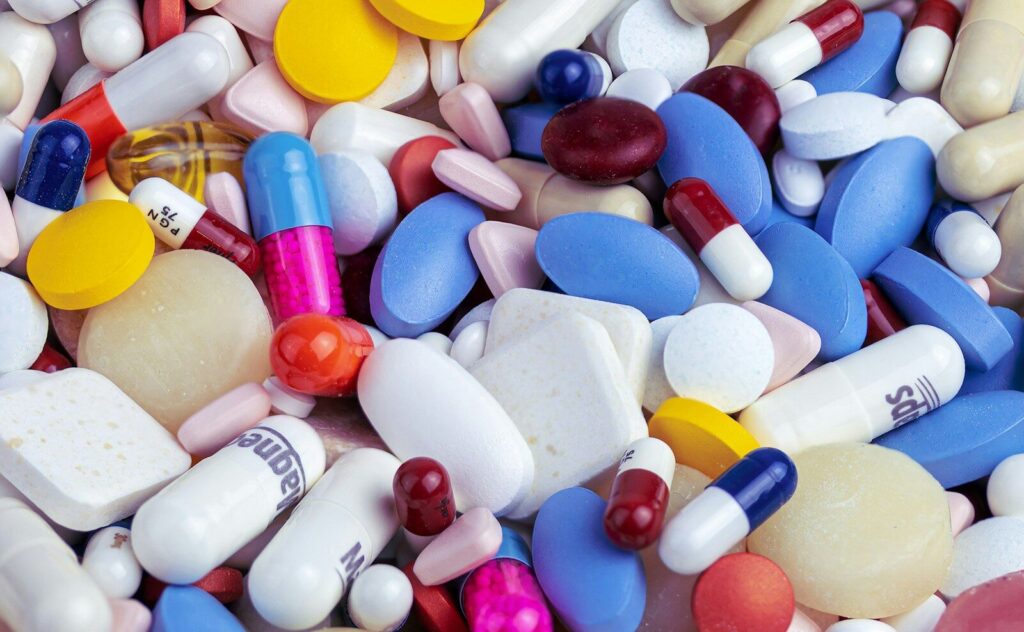
If antioxidants protect cells, it seems logical that taking more would protect them even better. That idea fueled a supplement boom and inspired some of the largest nutrition trials ever run.
The results surprised many scientists. In several cases, high-dose antioxidant supplements did not deliver the hoped-for benefits – and in a few groups they appeared to cause harm. Here is what the evidence shows.
Key Takeaways
- Antioxidants from food are consistently linked with good health.
- Some high-dose single antioxidant supplements showed no benefit or potential harm in large trials.
- Beta-carotene supplements increased lung cancer risk in smokers in two major studies.
- Supplements can make sense for specific deficiencies or conditions under medical guidance.
The Big Supplement Trials
In the 1990s, two large trials tested beta-carotene supplements in people at high risk of lung cancer. The ATBC study in Finnish male smokers and the CARET study in smokers and asbestos-exposed workers both found higher lung cancer rates in the supplement groups. CARET was stopped early.
Later, the SELECT trial found that vitamin E supplements did not prevent prostate cancer and were associated with a modest increase in risk in men who took them. Meta-analyses of antioxidant supplements have generally found little benefit for preventing disease in well-nourished people.
The Antioxidant Paradox
Why would something protective in food be unhelpful or harmful as a pill? Scientists call this the antioxidant paradox. Possible explanations include:
- Dose – supplements can deliver far more than any diet would
- Isolation – a single compound behaves differently without the food matrix
- Balance – very high doses can shift some antioxidants into pro-oxidant behavior
- Signaling – blocking free radicals too much may blunt helpful adaptive responses
Exercise and Antioxidant Pills
Exercise creates a temporary burst of free radicals, which act as signals that trigger adaptations such as improved insulin sensitivity and mitochondrial growth. Some studies found that taking high doses of vitamin C and E around training blunted these benefits. Other studies have not, so the picture is mixed – but there is little evidence that routine high-dose supplements improve training results.
When Supplements Can Make Sense
This does not mean all supplements are bad. Some people benefit from targeted supplementation.
- Diagnosed deficiencies, such as low vitamin C or vitamin E
- Specific eye conditions, where formulas such as AREDS2 are used under medical guidance
- Restricted diets, malabsorption or increased needs
The key is to supplement for a reason, at a sensible dose, with advice from a healthcare professional.
Can You Overdo Antioxidant Foods
For most people, it is very hard to get too many antioxidants from whole foods. Fruits, vegetables, legumes, nuts, tea and spices come packaged with fiber and water that limit how much you can eat. A few exceptions exist – for example, very large amounts of green tea extract (not brewed tea) have been linked to liver problems.
The Bottom Line
Food first is the clear message from decades of research. A colorful, varied diet supplies a balanced mix of antioxidants that work together, while isolated megadoses can upset that balance. If you are thinking about supplements, talk with a doctor or registered dietitian about whether you actually need them.
Frequently Asked Questions
Can antioxidant supplements be harmful?
Some can be at high doses. Large trials found that beta-carotene supplements increased lung cancer risk in smokers, and vitamin E supplements were linked to a small rise in prostate cancer risk in one major study.
Is it possible to eat too many antioxidants from food?
It is very unlikely for most people. Whole foods contain antioxidants in moderate, balanced amounts together with fiber and water.
Should I take antioxidants after exercise?
Routine high doses of vitamin C and E around training are not recommended for most people, as some research suggests they may blunt training adaptations. Eating a balanced diet is a better approach.
This article is for general educational purposes and does not replace personal advice from a doctor or registered dietitian. Talk to a healthcare professional before making major changes to your diet or starting supplements, especially if you are pregnant, take medication or manage a health condition.