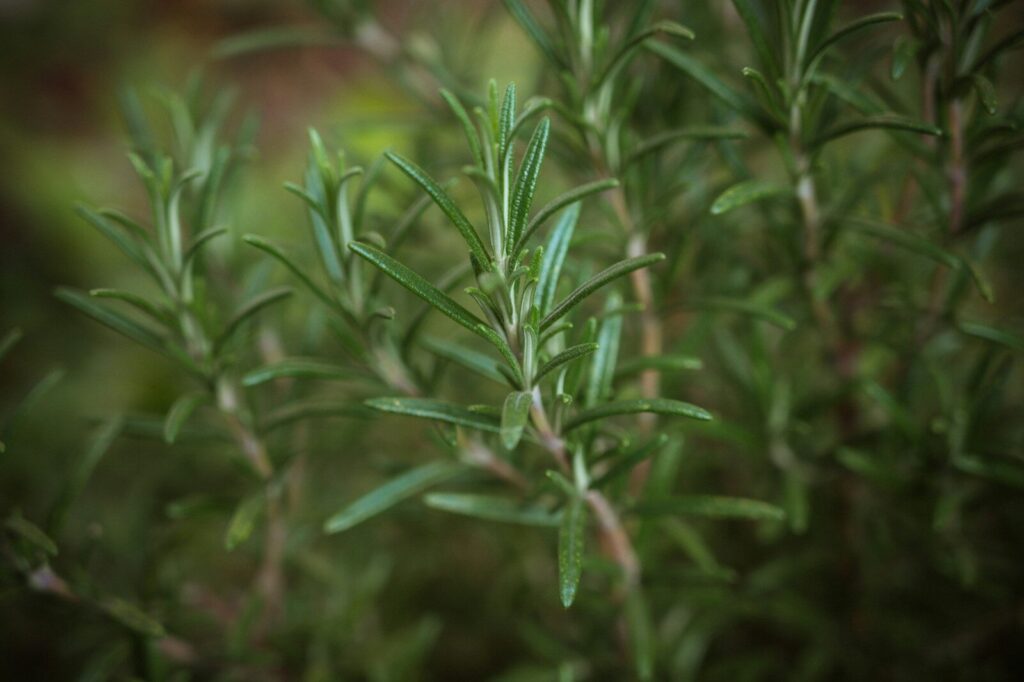
Rosemary often gets treated as a garnish – a sprig on the roast potatoes, a decorative twig on a cheese board. But this hardy Mediterranean shrub deserves far more respect.
Rosemary is so rich in antioxidant compounds that food manufacturers use rosemary extract as a natural preservative to keep oils, meats and snacks from oxidizing. If it can protect food from going rancid, it is worth asking what it might bring to your plate.
Key Takeaways
- Rosemary contains carnosic acid, carnosol and rosmarinic acid.
- Rosemary extract is used commercially as a natural antioxidant preservative.
- Marinating meat with rosemary may reduce some harmful compounds formed during grilling.
- It is easy to grow in a pot or garden and thrives on neglect.
The Compounds Behind the Aroma
Rosemary’s powerful scent comes from essential oils such as cineole and camphor, but its antioxidant strength comes mainly from polyphenols. Carnosic acid and carnosol are diterpenes that are particularly effective at protecting fats from oxidation. Rosmarinic acid, also found in oregano, sage and lemon balm, is another key player.
A Natural Preservative With a Track Record
In the European Union, rosemary extract is an approved food additive listed as E392. It is used in oils, sausages, sauces and snacks to slow oxidation and extend shelf life. That is a real-world signal of how effective rosemary compounds are at fighting oxidative damage – at least inside food.
The Grilling Trick
High-heat cooking of meat can create heterocyclic amines, compounds that are a concern for long-term health. Several studies have found that marinating meat with rosemary or rosemary extract before grilling reduced the formation of these compounds considerably.
- Chop fresh rosemary with garlic and olive oil
- Rub it over chicken, lamb or vegetables
- Let it sit for at least 30 minutes before cooking
- Avoid charring and turn food often
Rosemary and the Mind
Rosemary has long been linked with memory – Shakespeare’s Ophelia says “There’s rosemary, that’s for remembrance.” Small studies have looked at the aroma of rosemary oil and cognitive performance, with some interesting but preliminary results. Enjoy the scent, but treat these findings as early research rather than proven benefits.
How to Use More Rosemary in the Kitchen
Roasted Vegetables Toss potatoes, carrots and onions with olive oil, chopped rosemary, salt and pepper.
Infused Oil Warm olive oil gently with rosemary sprigs, cool and strain. Use within a week and store in the fridge.
Bean Dishes Simmer white beans with rosemary, garlic and tomatoes for a rustic Tuscan-style dish.
Tea Steep a fresh sprig in hot water for five minutes for a fragrant herbal infusion.
Growing Your Own
Rosemary loves sun, well-drained soil and very little fuss. Plant it in a pot with gritty compost, water only when the soil is dry and harvest often to keep it bushy. In colder climates, bring pots indoors or shelter them in winter.
One healthy plant supplies enough rosemary for most households all year – an antioxidant source that grows right outside your door.
A Word of Caution
Culinary rosemary is safe for most people. Concentrated rosemary oil should never be swallowed and should be diluted before use on skin. Pregnant people and those with epilepsy should avoid high doses or medicinal use unless advised by a professional.
Frequently Asked Questions
Is rosemary high in antioxidants?
Yes. Rosemary contains carnosic acid, carnosol and rosmarinic acid, which are strong antioxidants. Rosemary extract is even used as a natural food preservative.
Is fresh or dried rosemary better?
Both contain beneficial compounds. Dried rosemary is more concentrated by weight, while fresh rosemary has a brighter flavor and is easy to use in larger amounts.
Can I drink rosemary tea every day?
A cup of rosemary tea made from culinary amounts is generally fine for healthy adults. Avoid medicinal doses during pregnancy and ask your doctor if you take medication.
This article is for general educational purposes and does not replace personal advice from a doctor or registered dietitian. Talk to a healthcare professional before making major changes to your diet or starting supplements, especially if you are pregnant, take medication or manage a health condition.