No single food can slow aging. But across decades of research, certain eating patterns keep appearing in studies of people who stay healthier for longer.
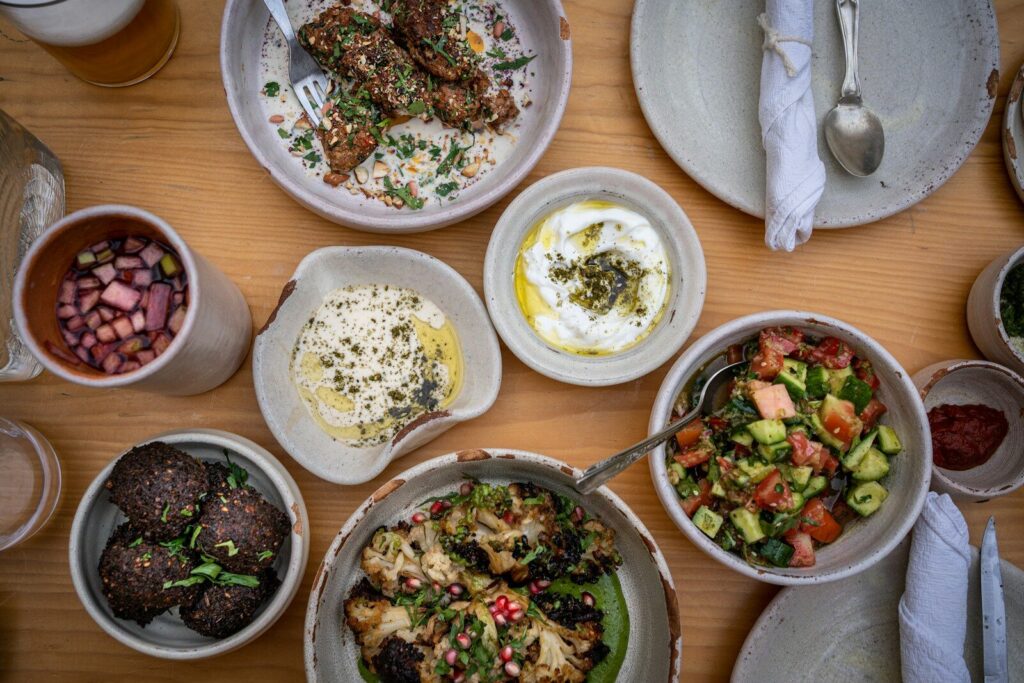
The Mediterranean diet, the MIND diet and the traditional diets of the so-called Blue Zones look different on the surface. Underneath, they share a surprisingly consistent foundation – and much of it is built on antioxidant-rich plants.
Key Takeaways
- Healthy aging diets are built around vegetables, fruits, legumes, whole grains, nuts and olive oil.
- These patterns provide a wide variety of antioxidants plus fiber and healthy fats.
- The MIND diet specifically highlights leafy greens and berries for brain health.
- Consistency over years matters far more than perfection on any single day.
What the Research Shows
Large observational studies have linked the Mediterranean diet with lower rates of heart disease, type 2 diabetes and cognitive decline. The PREDIMED trial found fewer cardiovascular events in people following a Mediterranean diet supplemented with extra virgin olive oil or nuts compared with a control diet.
The MIND diet, a hybrid of Mediterranean and DASH principles, has been associated with slower cognitive decline in observational research, although a recent trial produced more modest results. Overall, the pattern is encouraging rather than a guarantee.
The Shared Building Blocks
- Vegetables at almost every meal, especially leafy greens
- Fruit daily, with berries featured often
- Beans, lentils and chickpeas several times a week
- Whole grains rather than refined ones
- Nuts and seeds as regular snacks
- Extra virgin olive oil as the main fat
- Herbs and spices for flavor
- Fish and seafood often, red meat less frequently
- Fewer ultra-processed foods and sugary drinks
Why Antioxidants Fit the Picture
These foods supply a broad range of antioxidants – polyphenols from olive oil, tea and berries, carotenoids from greens and orange vegetables, vitamin E from nuts and vitamin C from fruit. Many of these compounds also influence inflammation and cell signaling.
Just as important, the same foods provide fiber that feeds the gut microbiome, healthy fats that support blood vessels and minerals needed for the body’s own antioxidant enzymes.
A Day of Healthy Aging Eating
Breakfast Oats with berries, walnuts and cinnamon, plus green tea or coffee.
Lunch Lentil and vegetable soup with whole grain bread and a side salad dressed with olive oil.
Snack An apple and a handful of almonds.
Dinner Baked salmon or chickpeas with roasted vegetables, herbs and a drizzle of olive oil.
Beyond the Plate
Diet works best alongside other habits that people in long-lived communities share – daily movement, strong social connections, a sense of purpose and good sleep. Food is a powerful tool, but it is one part of a healthy lifestyle.
How to Start
Pick two changes for the next month. For example, cook with olive oil instead of butter and add a handful of berries or greens every day. Once those feel automatic, add another. Healthy aging is built one meal and one habit at a time.
Frequently Asked Questions
What is the best diet for healthy aging?
Research consistently supports plant-rich patterns such as the Mediterranean and MIND diets, built on vegetables, fruits, legumes, whole grains, nuts, olive oil and fish.
Do antioxidants slow aging?
Antioxidant-rich diets are associated with healthier aging, but no food or supplement stops aging. The benefits likely come from the whole dietary pattern together with an active lifestyle.
Which foods are best for brain health as we age?
The MIND diet highlights leafy green vegetables, berries, nuts, olive oil, whole grains, beans and fish as particularly important for the brain.
This article is for general educational purposes and does not replace personal advice from a doctor or registered dietitian. Talk to a healthcare professional before making major changes to your diet or starting supplements, especially if you are pregnant, take medication or manage a health condition.